

Engineered Thermal Control for Embedded Computing, Directed Energy, High-Heat Flux Weapons, and Ground Station Electronics
Why Ground Defense Cooling is Critical
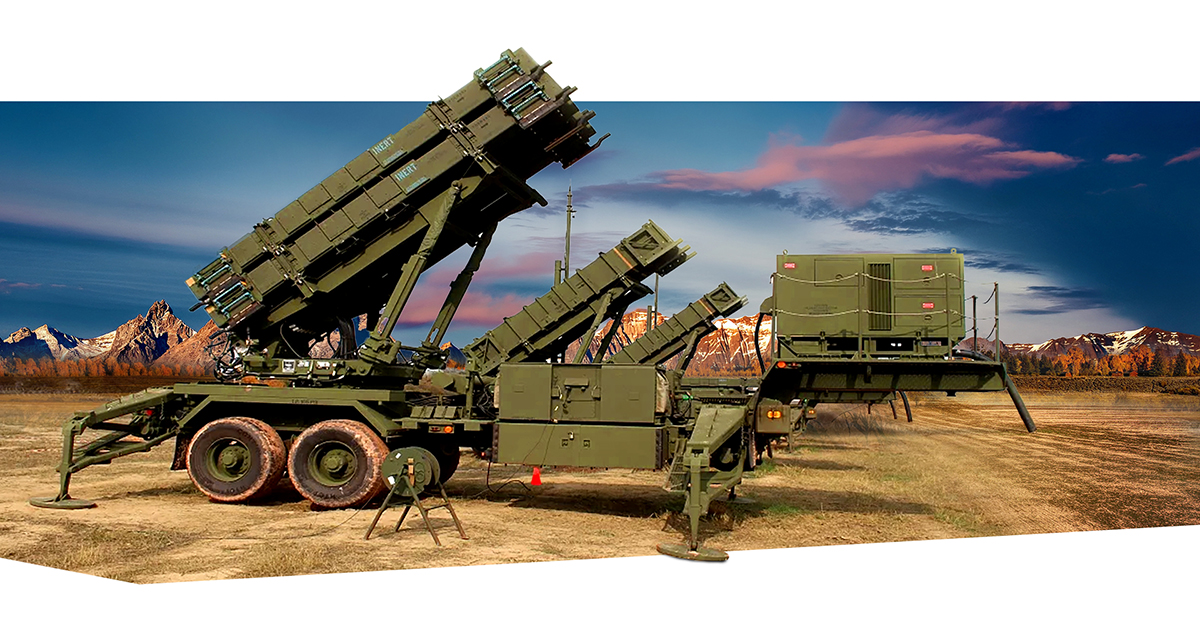
Modern ground defense systems push thermal boundaries. Whether it’s high-power radar, laser-based directed energy weapons, compact embedded computing in VPX/VME platforms, or hardened, sealed enclosures for expeditionary shelters and ground stations, thermal failure is not an option.
Key Challenges in Ground Defense

- High Heat Flux and Pulsed Operation: Directed-energy systems, high-energy lasers, and advanced radar architectures generate intense, transient thermal loads that must be rapidly absorbed and dissipated to prevent system derating or failure.

- Extreme Ambient Conditions: Systems must perform reliably from desert heat to arctic cold, often across operating ranges spanning –40 °C to +60 °C or wider. Thermal solutions must maintain performance despite altitude shifts, solar loading, and severe climate changes.

- Vibration, Dust, Salt, and Shock Exposure: Mobile ground vehicles, expeditionary shelters, and ship-to-shore systems face heavy mechanical and environmental stressors. Cooling hardware must withstand MIL-STD-810 vibration, shock, dust ingress, and salt-fog conditions without degradation.

- Sealed Enclosure Cooling: IP-rated or fully sealed housings restrict airflow and ventilation. Thermal systems must reject heat efficiently while preserving environmental sealing, EMI integrity, and contamination protection.

- Mass / Volume / Power Constraints: Ground vehicles, missiles, and portable systems demand compact, lightweight solutions that maximize cooling performance while minimizing electrical draw. This requires advanced materials, optimized thermal architectures, and high-efficiency heat rejection methods.

- Reliability and Mission Assurance: All systems must meet stringent reliability targets, long mission durations, and multi-environment duty cycles. Designs are qualified and tested to AS9100, MIL-STD-810, and shock/vibration/thermal cycling standards to ensure survivability in demanding operations.

- SWaP-C Optimization: Size, Weight, Power & Cooling: Modern defense platforms are increasingly constrained by SWaP-C requirements, which drive the need for thermal solutions that deliver maximum performance in the smallest, lightest, and most energy-efficient form factors. ACT addresses SWaP-C challenges through:
- Ultra-compact heat exchangers and cold plates engineered for dense electronics packages
- Lightweight, high-conductivity materials such as aluminum alloys, enhanced composites, and two-phase devices
- Low-power thermal control strategies to minimize electrical burden on vehicle or shelter power systems
- Integration of cooling directly into structural components, reducing volume while improving system efficiency
- Advanced modeling and co-design with electronics teams to ensure thermal pathways are optimized at the board, chassis, and system levels
- SWaP-C-optimized thermal architectures enable platforms to carry more computing, more sensing, and more capability without sacrificing mobility, mission duration, or environmental performance.
Directed Energy & High-Heat-Flux Cooling

Cooling solutions geared for laser diode arrays, RF amplifiers, and high-peak-power pulses
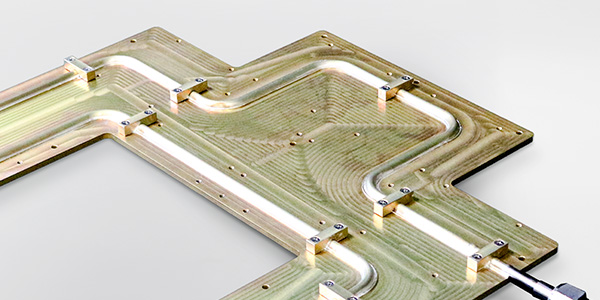
Advanced liquid cold plate architectures and two-phase loop systems that rapidly absorb and remove heat spikes
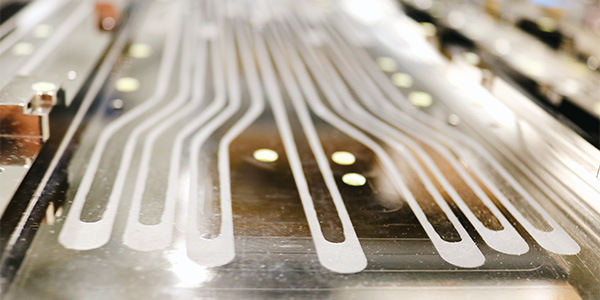
Vapor chambers, heat pipes, and HiK Plates™ for fast, isothermal spreading in embedded computing and more
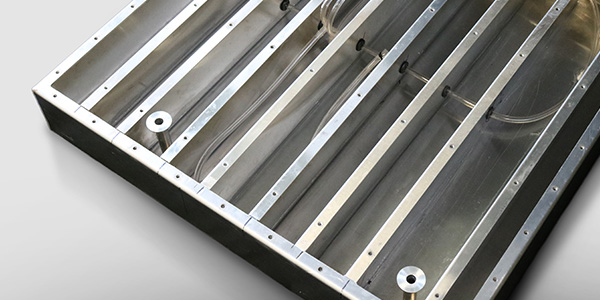
Phase change material heat sinks absorb heat during transient heat loads, best for pulsed operation
| Passive Technologies | Active Technologies |
|---|---|
| Heat Pipes, Loop Thermosyphons, Vapor Chambers, PCM Heat Sinks, HiK Plates™ | Liquid Cooling, Pumped Two-Phase, Tekgard® ECUs, Vaphtek™ ECUs, Chillers |
Engineering Services & R&D
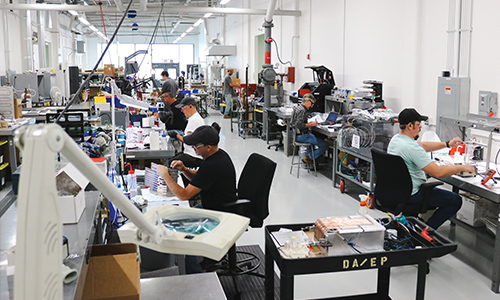
At ACT, innovation is driven by a dedicated R&D team of more than 60 engineers and technicians who are continually advancing the state of thermal management and other non-thermal based technologies. Backed by funding from multiple government agencies—including significant Department of Defense (DoD) programs and commercial industry—our research pushes the boundaries of what’s possible in next-generation technologies.
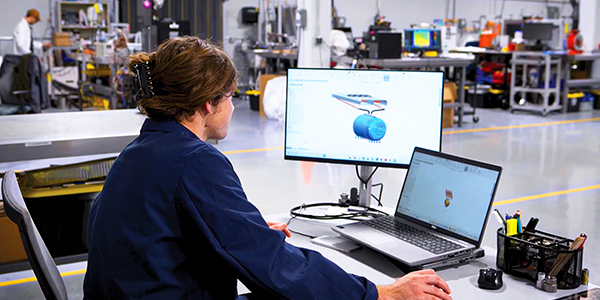
Our team provides:
- Advanced Analysis & Simulation — In-house expertise in thermal modeling, computational fluid dynamics (CFD), and thermal stress/structural analysis ensures accurate prediction and reliable system design.
- End-to-End Development — From early-stage prototyping through qualification to MIL-STD environmental testing and full product lifecycle management, we deliver solutions that are ready for deployment in the most demanding defense environments.
- Knowledge Leadership — ACT actively contributes to the defense and aerospace community through peer-reviewed technical papers, and speaking opportunities globally. This integrated approach allows ACT to transition cutting-edge research into proven, fielded solutions that ensure mission success.
Real-World Applications & Use Cases
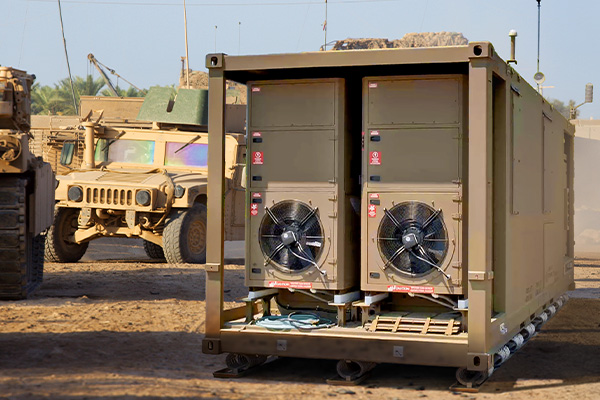
- UAV Ground Control Stations — Rugged, compact enclosures supporting high-throughput embedded compute.
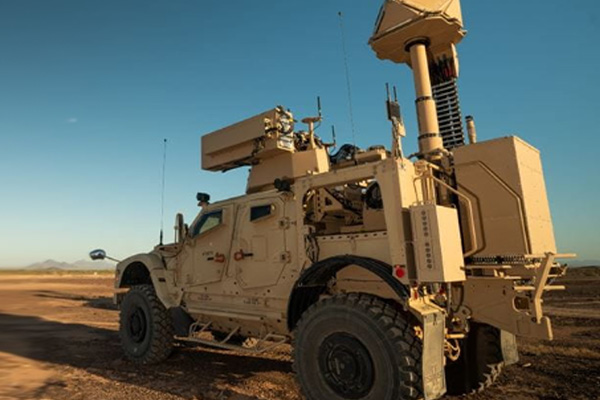
- Mobile Directed Energy Platforms — High-power pulse cooling under desert and battlefield conditions.
- Radar & Photonics Cooling in Fixed Ground Installations — Continuous and pulsed cooling across harsh environments. Now incorporating phased antenna array cooling solutions to handle the thermal load of advanced radar architectures.
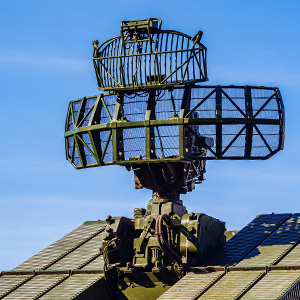
Guide to Cooling Radar Electronics
Keep your radar systems mission-ready with advanced thermal management that prevents overheating, enhances performance, and extends electronic life — because efficient cooling isn’t optional in high-duty environments.
- Ground Station Cooling — Advanced liquid cooling and chiller technologies designed to manage sustained high-heat loads and pulsed operation in mission-critical communication and command systems.
- Ship-to-Shore Relay Systems & Telecom Support Shelters — Reliable heat management in sealed, dusty, and variable climates.
- Conduction-Cooled Chassis and Liquid-Cooled VPX/VME Card Racks — Leveraging ICE-Lok® modules engineered for high-density computing in rugged platforms.
- Mobile IT / Edge Computing Nodes — Thermal management for deployable compute centers running AI, sensor fusion, and real-time analytics in harsh ground environments.
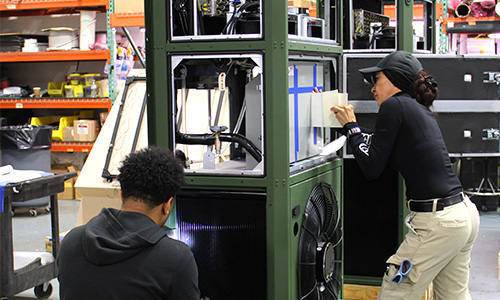
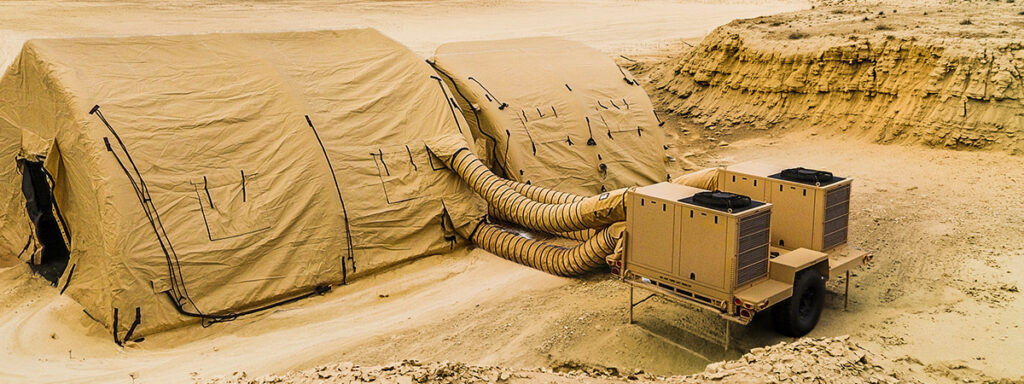
- Shelter / People Cooling — Climate control for expeditionary shelters, command posts, and mobile personnel stations, featuring Tekgard® ECUs for rugged, reliable environmental conditioning.
Why Choose ACT for Ground Defense Thermal Solutions
- Holistic portfolio—from passive to active cooling systems customized for defense challenges.
- Proven heritage in defense thermal management across multiple domains: airborne, ground, naval, satcom, and laser systems.
- AS9100 certification, ITAR compliance, and experience in MIL-STD qualification.
- Collaborative engineering approach: working directly with system architects early in the design cycle to optimize thermal, structural, and reliability trade-offs.
- Deep R&D investments—driving innovation in the defense industry through industry collaboration. Dedicated ITAR laboratories and over $200 million in commercialized technologies since 2003.