


When air cooling can’t handle the heat load needed to keep electronics within safe operating temperatures, single-phase liquid cooling solutions provide exceptional performance. Cold plates are widely used for high-heat flux and high-power electronics, offering reliable thermal management for demanding applications.
What is a Liquid Cold Plate?
A liquid cold plate is responsible for taking the heat from the device(s) and transferring it to a single-phase liquid coolant, circulating through internal channels of the plate and subsequently rejecting it downstream to a radiator. There are several thermal/mechanical advantages of a cold plate solution.
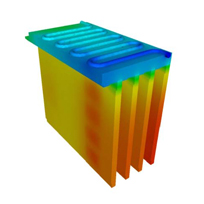
Advantages of a Cold Plate Thermal Management Solution
- High heat transfer coefficient (h)
- High heat load and heat flux capacity
- Scalable technology
- Adaptable to any temperature range
Cold Plate Design and Analysis for Thermal Management
Designing an effective liquid cold plate requires balancing thermal performance, hydraulic efficiency, size, weight, and cost. Optimizing one parameter often involves trade-offs with others, making careful analysis essential to achieving the best overall solution.
ACT’s engineering team brings extensive experience in developing custom liquid cold plates that meet demanding thermal requirements while minimizing operating and manufacturing costs.
Key performance factors evaluated during the design process include:
- Pressure Drop: Minimizing flow resistance to reduce pumping power requirements.
- Liquid Flow Path: Optimizing coolant distribution for efficient heat removal.
- Flow Balancing: Ensuring consistent coolant flow across cooling channels.
- Material Compatibility: Selecting materials compatible with the coolant and operating environment.
- Fluid Stability: Maintaining reliable coolant performance under expected operating conditions.
- Temperature Uniformity: Minimizing temperature variations across the cold plate.
- Maximum Temperature: Keeping critical components within allowable temperature limits.
- Weight and Size: Optimizing the cold plate footprint and mass to meet application constraints.
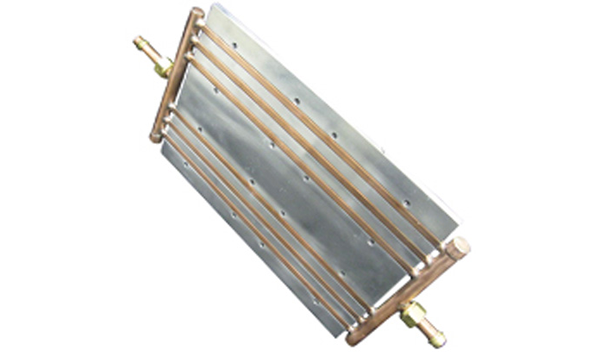
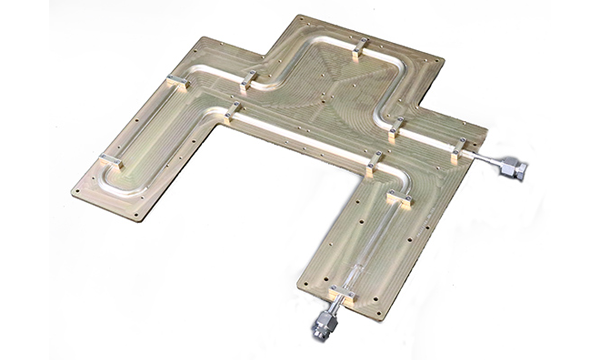
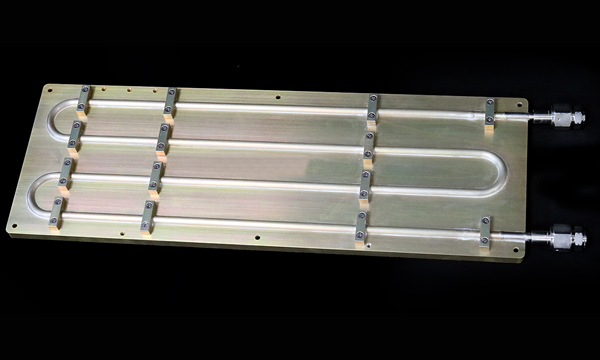
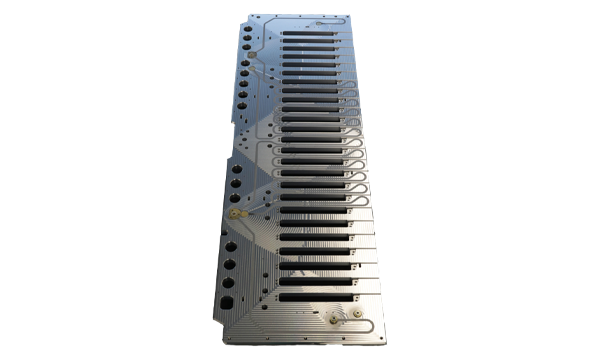
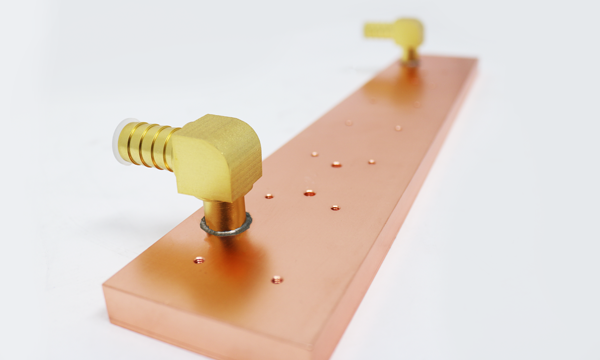
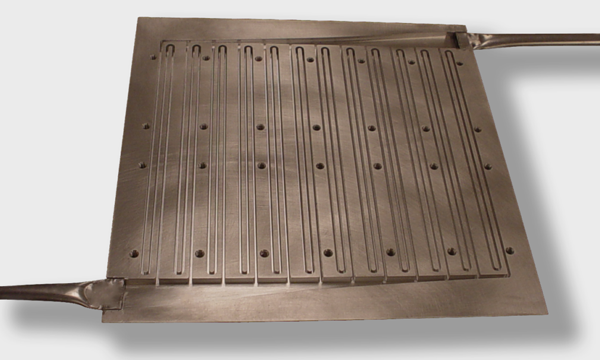
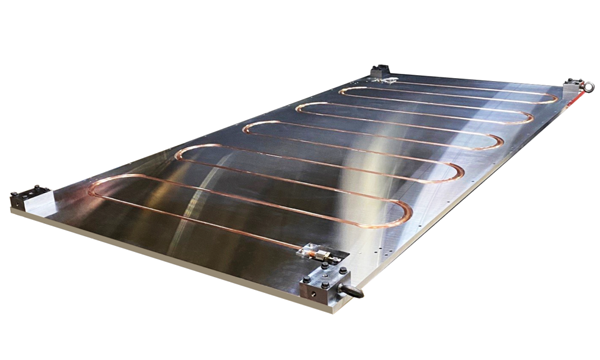
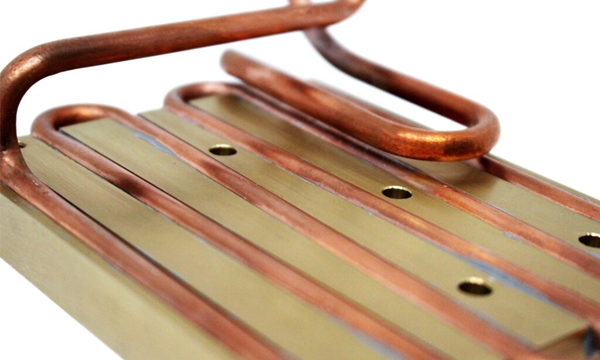
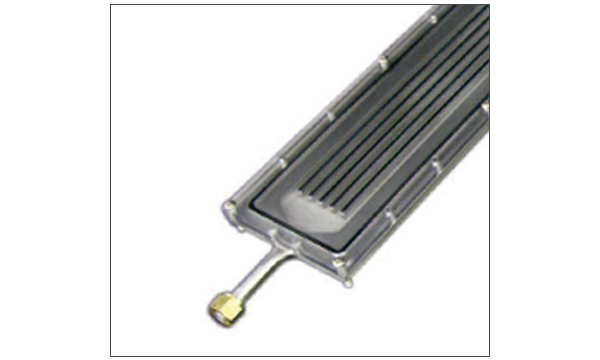

Liquid Cold Plate Flow Configurations
Selecting the right flow configuration is critical to optimizing cold plate thermal performance, pressure drop, and overall system efficiency. Each design offers distinct advantages and trade-offs depending on heat load, coolant requirements, available space, and operating conditions.
ACT’s engineering team evaluates your application’s specific thermal and mechanical requirements to recommend the most effective liquid cold plate design.
Common flow configurations include:
- Serpentine Tube: A continuous flow path that provides controlled coolant circulation and effective heat removal.
- Manifold Tube: Multiple parallel flow paths that distribute coolant across the cold plate, helping reduce pressure drop.
- Mini Channel: Smaller flow channels that increase heat transfer performance while balancing pressure drop and manufacturability.
- Micro Channel: Very small flow channels designed for high-heat flux applications requiring enhanced heat transfer performance.
Each configuration presents trade-offs in thermal performance, pressure drop, flow distribution, and manufacturing complexity. ACT combines thermal analysis, design optimization, and manufacturing expertise to develop a solution that balances these factors for your application.
Liquid Cold Plate Material and Fluid Options
Envelope material and fluid compatibility are crucial considerations when designing a cold plate. The team at ACT has expertise in stable-compatible solutions.
- Aluminum
- Stainless Steel
- Copper
- Polymer-Based
- Water
- Deionized Water
- Water / Ethylene Glycol mixture
- Dielectric Fluids
Once the design is finalized, ACT can seamlessly transition your solution from prototype to production at our ISO 9001:2015 and AS9100-certified manufacturing facility. Our integrated engineering and manufacturing capabilities ensure consistent quality, reliable performance, and a streamlined path from design to finished hardware.
System-Level Pumped Liquid Cooling Solutions
Beyond individual cold plates, ACT designs and manufactures complete pumped liquid cooling systems tailored to demanding thermal requirements. These systems typically integrate liquid cold plates, pumps, heat exchangers, reservoirs, valves, and fluid lines to efficiently transfer and dissipate heat.
ACT’s expertise extends beyond conventional liquid cooling technologies. Through ongoing research and development, we advance cooling solutions for high heat flux applications while minimizing pressure drop and pumping power requirements. Our capabilities also include specialized coatings to improve corrosion resistance and material compatibility.
From high-power electronics and avionics to data centers and energy applications, ACT provides custom, system-level thermal solutions backed by integrated engineering, design, and manufacturing expertise.


