


Innovative Radiation Shielding for Space Electronics
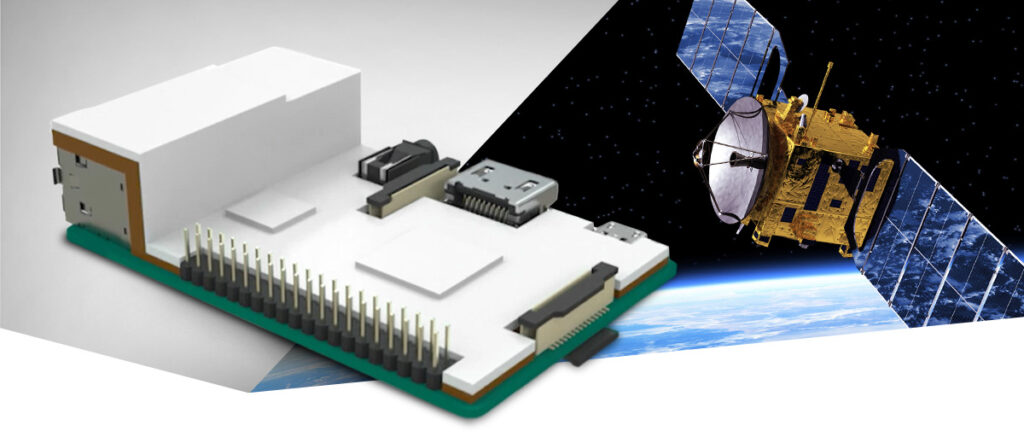
ACT has developed a lightweight, 3D-printed radiation shield for space electronics that combines radiation protection with integrated heat dissipation. Using advanced polymer composites, the solution reduces weight by up to 70% compared to traditional aluminum shielding while maintaining performance, making it ideal for SmallSats, CubeSats, and next-generation spacecraft systems.
Key takeaways
- ACT has developed a dual-function radiation shielding solution that combines protection and thermal management in a single lightweight material system.
- The technology uses a Metal Oxide Polymer Composite (MOPC) for radiation shielding and a Fiber-Reinforced Polymer Composite (FRPC) for efficient heat dissipation.
- Additive manufacturing (3D printing) enables conformal shielding over complex geometries while maintaining optimized thermal performance.
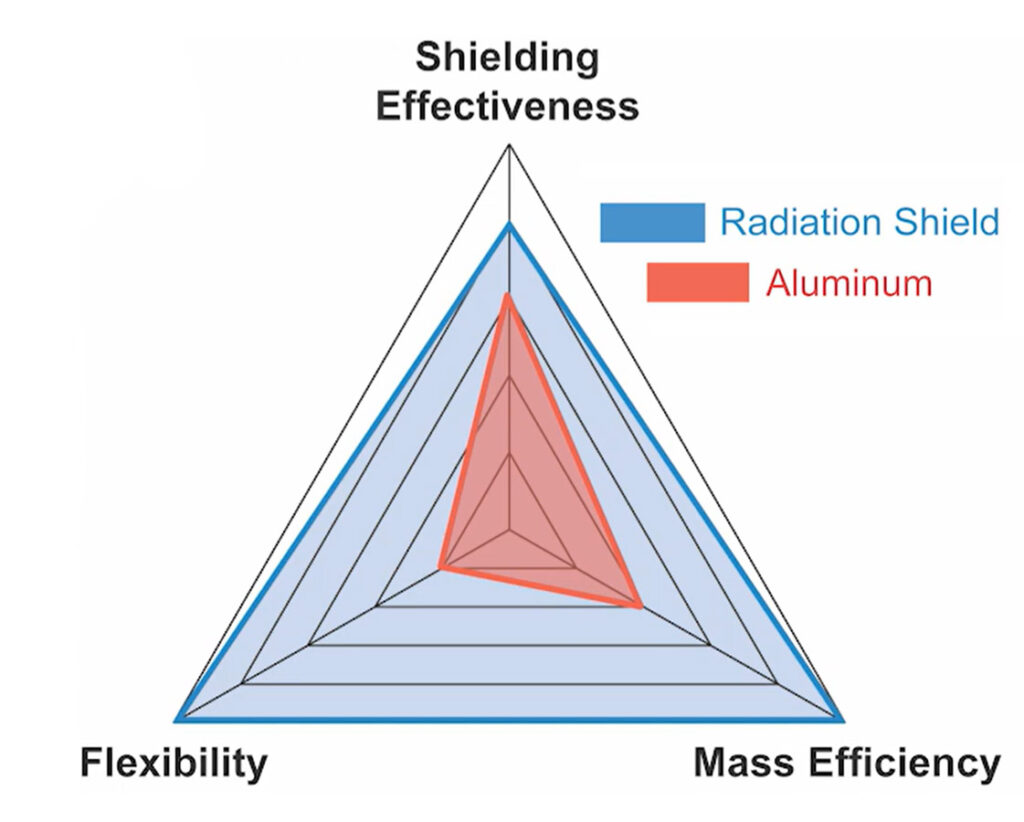
- The MOPC shield achieves 30–36% lower areal density than aluminum, with over 70% weight reduction in spot shielding applications.
- The material has demonstrated space-ready durability, passing outgassing standards, surviving 500+ thermal cycles, and enduring high radiation exposure without degradation.
- This scalable, non-metallic approach supports SWaP-C optimization for commercial and defense satellite systems.
As space missions become more compact, efficient, and cost-sensitive, the demand for lightweight, multi-functional materials that reduce Size, Weight, and Power (SWaP) is rapidly increasing. Advanced Cooling Technologies, Inc. (ACT) is answering that call with the development of an innovative 3D-printed, lightweight, polymer radiation shield with an integrated heat-dissipation layer, a solution tailored for the next generation of SmallSats, CubeSats, and orbital electronics.
A Dual-Function Solution- Shielding & Cooling
This novel design combines two critical capabilities:
- Radiation protection using a Metal Oxide Polymer Composite (MOPC), designed to block harmful space radiation while keeping weight low.
- Integrated heat dissipation via a Fiber-Reinforced Polymer Composite (FRPC), selected for its high in-plane thermal conductivity to passively spread and dissipate heat from sensitive electronics.
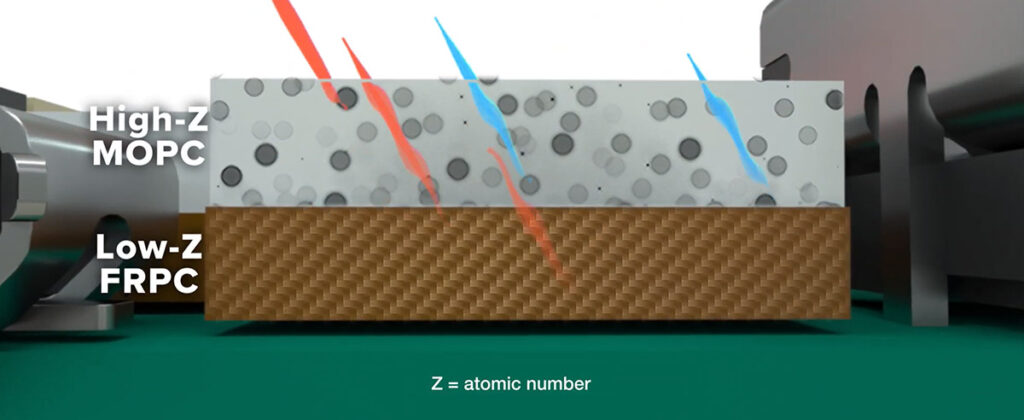
Together, these materials are fabricated using extrusion-based additive manufacturing (3D printing), enabling conformal shielding over complex geometries while maintaining controlled fiber alignment for enhanced thermal performance. ACT is also advancing 5-axis printing capabilities to further expand coverage of curved and dome-shaped surfaces for next-generation applications.
Why It Matters: Lightweight and Mission-Ready
The MOPC material delivers significant weight savings:
- 30 – 36% lower areal density than aluminum, reducing bulk while maintaining equivalent radiation protection.
- For spot shielding applications, weight reductions exceed 70%, providing critical mass and volume savings in high-performance space systems.
In rigorous testing, the MOPC shield passed ASTM E595 outgassing standards, withstood over 500 thermal cycles between -20°C and 125°C, and endured 600 krad(Si) TID radiation exposure with no measurable strength loss, demonstrating mission-readiness for the harsh space environment. ACT is also actively pursuing flight demonstration opportunities to advance this technology toward on-orbit validation
Performance in Action
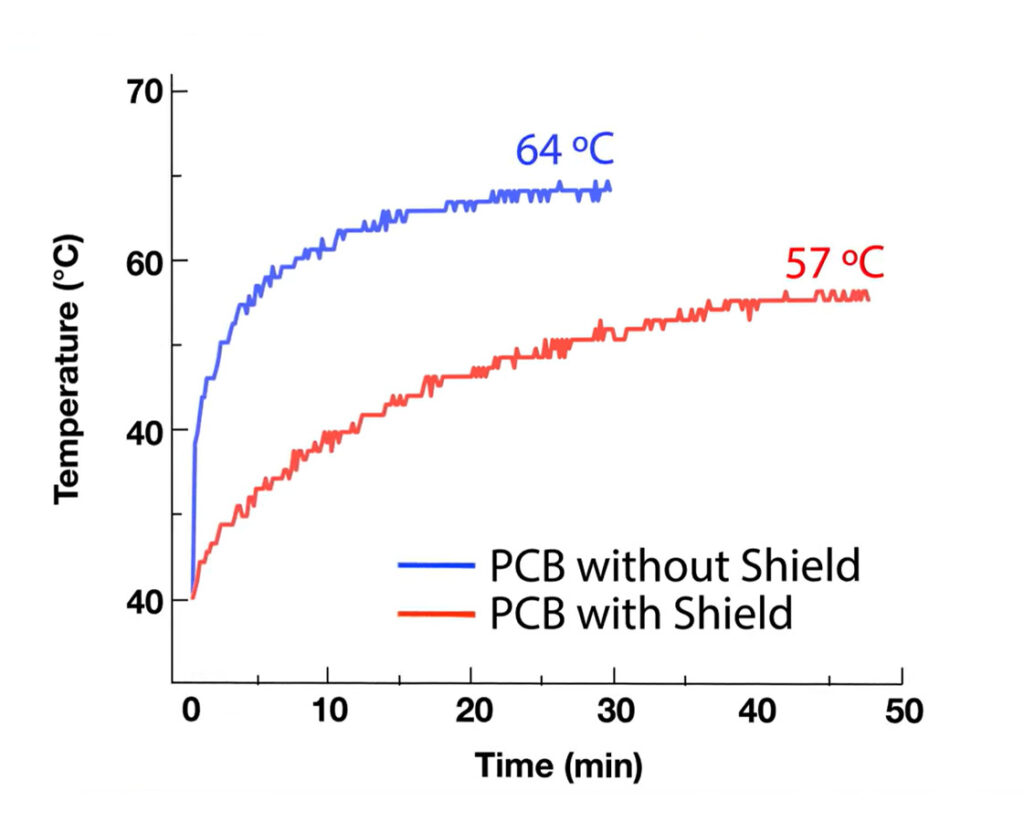
ACT’s shielding solution is not just theoretical. In testing with a Raspberry Pi setup, the shielded PCB demonstrated a 7°C reduction in CPU temperature compared to an equivalent unshielded configuration under identical operating conditions, evidence of the material’s ability to simultaneously protect and manage heat.
Additionally, a direct weight comparison showed (at equivalent radiation shielding thickness):
- Traditional aluminum shield: 153 grams
- ACT’s MOPC shield: just 22 grams
Enabling the Future of Spacecraft Design
From high-performance spot shielding to full-board conformal protection, this technology offers flexible, lightweight, non-metallic shielding that is fully compatible with thermal control strategies. It’s a scalable solution for commercial and defense satellite systems aiming to meet strict SWaP-C targets without compromising on performance or reliability. Whether for commercial constellations or DoD small satellite programs, ACT’s shielding solution enables lighter, more resilient spacecraft without compromising performance.

